


Sunny Days Blog
As pediatric physical and occupational therapists know, the more opportunities that a child has to practice a skill, the better and faster the progress will be. In this post, we share tips for practicing communication skills with clients while simultaneously working on their fine or gross motor skills.
How to Improve Communication Skills in Pediatric OT and PT Sessions
1. Describe actions that occur during your PT or OT session.
Narrating actions is a great way to encourage communication, and PT and OT sessions are full of activity. The next time you want your client to practice walking up or down a flight of stairs or use correct grip while holding a crayon, talk about what’s happening. Rather than sit in silence after you have given your instructions, talk to your clients about what they are doing and/or seeing.
2. Provide choices as part of the activity.
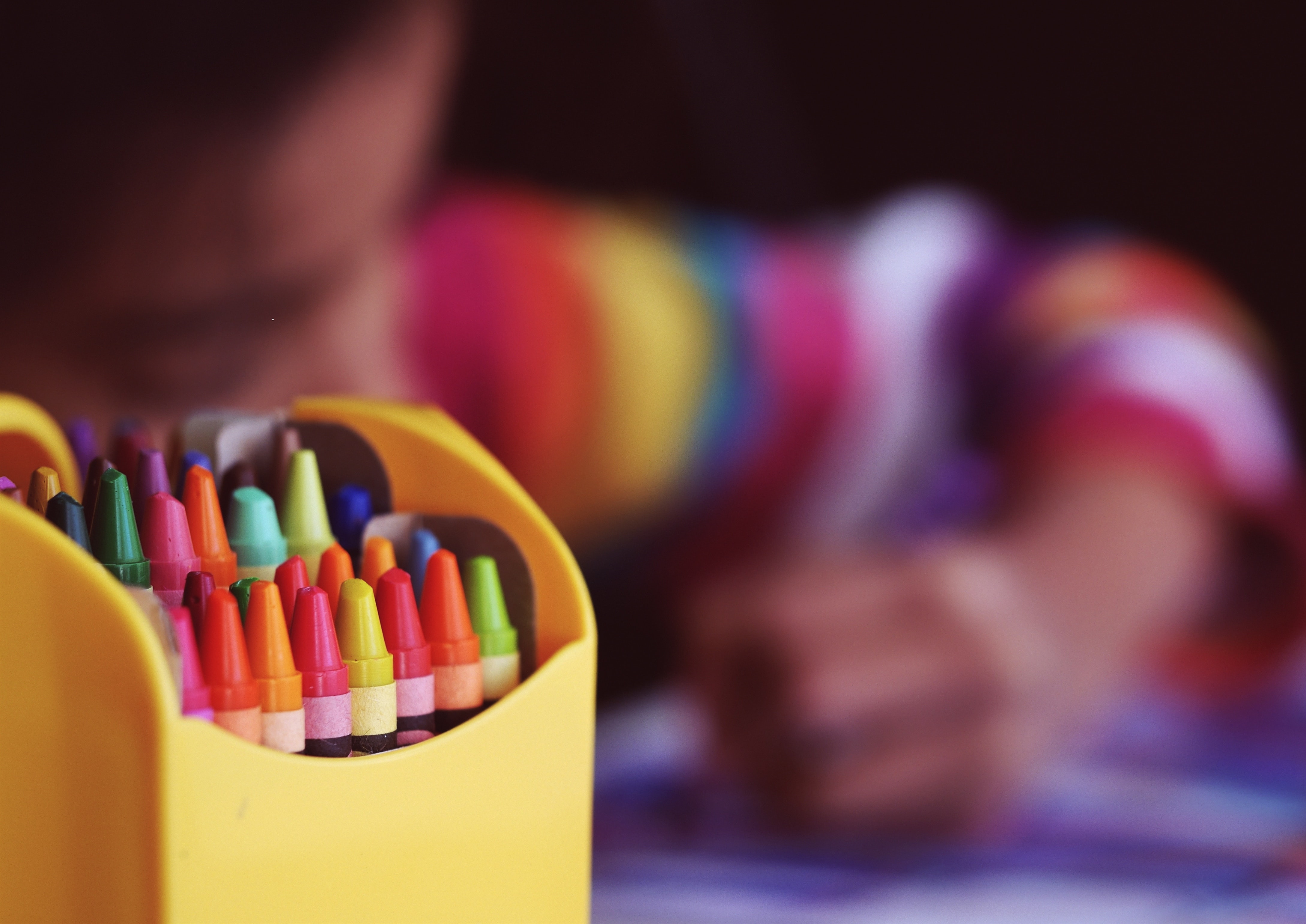
Going back to the same therapy examples from above (walking up stairs, using a crayon), consider giving your client choices during the activities. For example, you could ask your clients if they want to walk outside or inside during the session. Similarly, you could present your clients with two crayon choices and ask what color they would like. If clients use non-verbal communication to express their choices (e.g. pointing to the desired crayon), you could say the name of the choice aloud as a model before giving it to the child.
3. Incorporate music into your therapy sessions.
What better way to encourage physical activity than to get up and dance? Just as music can be used to address physical skills, it can also aid in developing communication skills. Children are often more inclined to attempt sounds or words during musical activities than they are when explicitly told to say a sound or word. Music can also be used to promote functional movement patterns. The next time you incorporate music into a session, consider stopping the song at familiar parts and see if your client tries to fill in the blanks (e.g. therapist: “the wheels on the bus go….” child: “round and round.”).
4. Manipulate your therapy materials.
If you are using toys or manipulatives during your therapy sessions, think about how you are presenting them to your client. Many times, simple manipulations can lead to enhanced communication. For example, if you are using puzzles in your therapy sessions, do not give clients the entire puzzle at one time. Instead, give them one puzzle piece at a time to encourage them to make requests.
5. Utilize non-verbal communication.
Whether or not your client is verbal, incorporating supportive non-verbal communication into your sessions will help establish trust and foster better outcomes. Speak with your clients at their eye level, use open body language, and use kind and supportive facial expressions.
Practice makes progress. By incorporating these simple additions or changes to your therapy routines, you are helping your clients make progress in more than one area of development. Small modifications in your sessions can lead to big accomplishments for your clients and their communication skills.
Photo by Aaron Burden on Unsplash